

A new Utah Foundation report examines the characteristics and circumstances of Utah’s incarcerated population, offering insight into education levels, employment status, substance use, housing stability, and interactions with the criminal justice system at the time of arrest.
The report finds that incarcerated Utahns differ in important ways from the general population—particularly in educational attainment. While 91% of Utahns have completed high school, that rate is only 61% for incarcerated individuals.
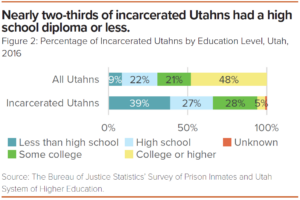
At the same time, the data show similar employment rates between incarcerated Utahns at the time of arrest and the general population. Many individuals reported being employed, suggesting that employment alone may not prevent incarceration.
Substance use also emerged as a significant factor when comparing Utah to the U.S. Utah’s incarcerated population reported higher rates of drug use at the time of arrest than inmates nationally, and drug trafficking accounted for a substantial share of incarceration reasons in the state.
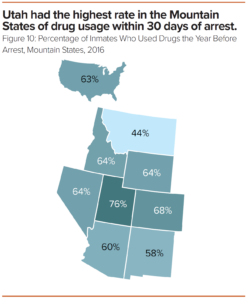
Overall, the findings suggest several areas where policy interventions could meaningfully improve outcomes: strengthening education and workforce pathways, expanding access to stable housing, addressing substance use more effectively, and re-examining community supervision practices that contribute to re-incarceration. By focusing on these challenges – and recognizing the structural and socioeconomic contexts in which they arise – Utah policymakers and community organizations can help create more effective reentry pathways, reduce recidivism, and support long-term public safety across the state.